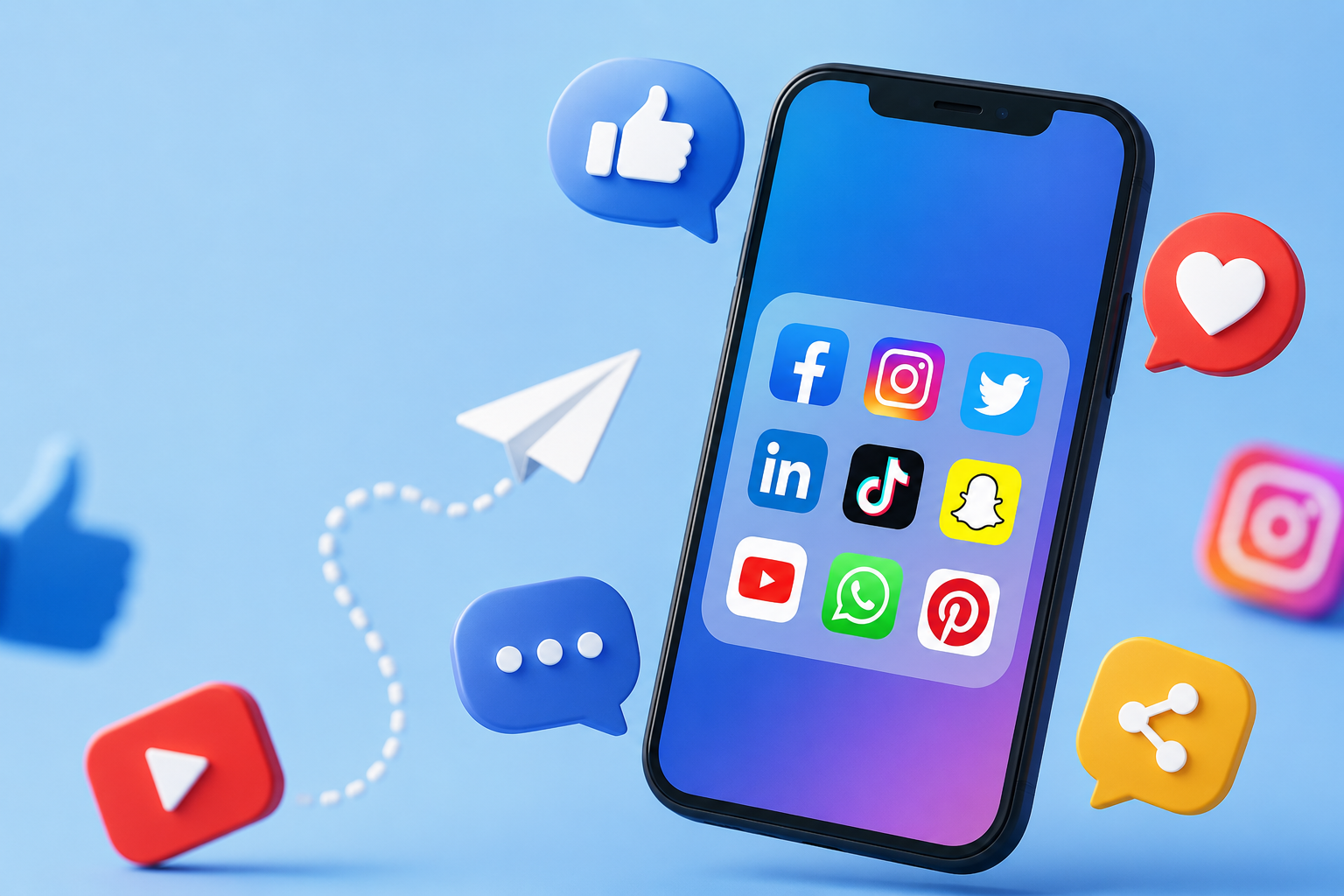
The UK Government has announced plans to ban access to major social media platforms for children under the age of 16, describing it as a landmark move designed to protect young people from online harms and “give children their childhood back”. The proposals are expected to affect platforms including TikTok, Instagram, Snapchat, Facebook, X and YouTube, with implementation planned from 2027 following further work on age verification and enforcement.
The announcement has sparked significant debate. Supporters argue that social media contributes to anxiety, poor mental health, cyberbullying and excessive screen time. Critics have raised concerns that a blanket ban could isolate young people, particularly those who rely on online communities for friendship, support and connection.
For those of us working in the SEND sector, the discussion is even more complex.
Why This Matters for Young People with SEND
Many young people with Special Educational Needs and Disabilities experience barriers to social inclusion long before they reach adulthood.
For some, social media is not simply entertainment.
It can be:
- A way to maintain friendships outside school
- A source of information and self-advocacy
- Access to peer support and neurodivergent communities
- An environment to explore identity and interests
- A stepping stone towards independence and digital communication skills
Many autistic young people, for example, report feeling more comfortable communicating online than in face-to-face environments. Young people with physical disabilities may use online platforms to access communities that would otherwise be difficult to reach.
While social media undoubtedly presents risks, it can also provide opportunities that should not be overlooked.
The Risks Are Real
The Government’s proposals have been driven by growing concerns about online safety.
Young people with SEND can be particularly vulnerable to:
- Online exploitation
- Scams and financial abuse
- Cyberbullying
- Exposure to harmful content
- Difficulties recognising online risk
- Excessive screen use and sleep disruption
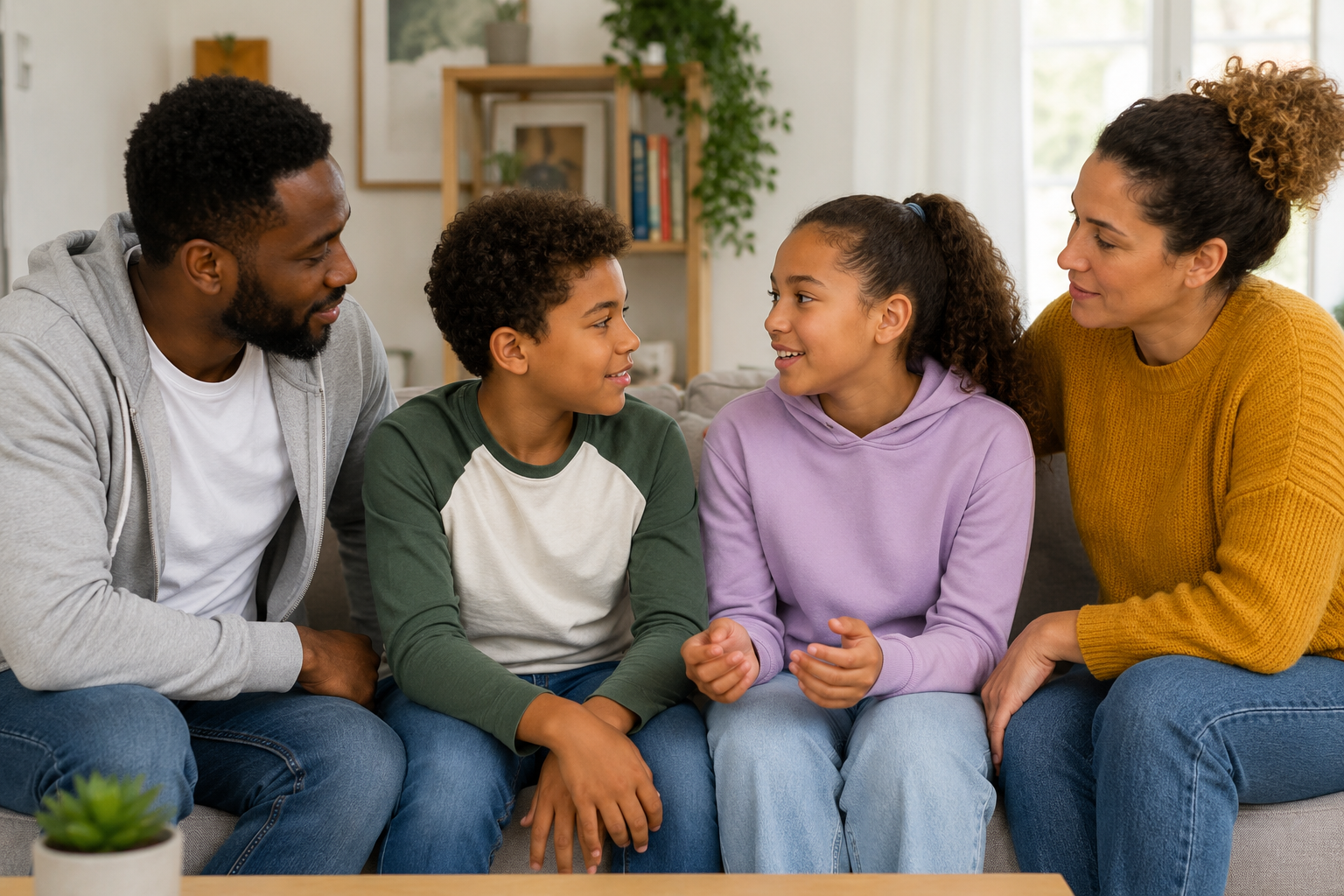
Many families tell us they feel caught between wanting to protect their child and wanting them to develop independence.
This is a challenge we see regularly when discussing Preparation for Adulthood outcomes.
How do we help young people become safe, confident digital citizens without preventing them from developing the skills they will need as adults?
The Future Ready SEND Perspective
At Future Ready SEND, we believe the conversation should move beyond simply asking whether young people should or should not use social media.
Instead, we should be asking:
How do we teach young people to use digital technology safely and successfully?
Preparation for Adulthood is built around four key areas:
- Employment
- Independent Living
- Good Health
- Friends, Relationships and Community Inclusion
Digital communication now touches every one of these areas.
Future employment opportunities require digital confidence.
Independent living increasingly involves online services, banking, shopping and communication.
Friendships and relationships are often maintained through digital platforms.
Community participation frequently takes place both online and offline.
If we remove access without building skills, we risk creating a new digital divide for young people with SEND.
What Families Can Do
Regardless of whether these proposals become law, there are practical steps families can take now:
Start conversations early
Talk openly about online experiences, friendships and concerns.
Focus on digital skills
Teach critical thinking, privacy awareness and online safety alongside traditional independence skills.
Use social media together
Shared experiences create opportunities for learning and discussion.
Build balanced lives
Encourage opportunities for sport, volunteering, hobbies, employment experiences and community participation.
Include digital independence in EHCP outcomes
Where appropriate, digital communication and online safety skills can form part of preparation for adulthood planning.
Looking Ahead
The Government’s announcement reflects growing concern about the impact of social media on children and young people’s wellbeing. Those concerns should be taken seriously.
However, for young people with SEND, the conversation cannot simply be about restriction.
It must also be about inclusion.
As professionals, families and policymakers consider the future of online safety, we must ensure that young people with SEND are not excluded from the digital world they will eventually need to navigate as adults.
The goal should not simply be keeping young people safe today.
The goal should be helping them become safe, confident and independent adults tomorrow.
That is what Preparation for Adulthood is all about.
Future Ready SEND supports families, schools, colleges and organisations to improve preparation for adulthood outcomes for young people with SEND.
References
Department for Science, Innovation and Technology (2026). Social media to be banned for under-16s in landmark government move to give kids their childhood back.
Department for Science, Innovation and Technology (2026). Fact Sheet: New Rules to Protect Children Online.
Ofcom (2025). Online Nation 2025 Report.
Ofcom (2026). Government Announces Social Media Restrictions for Under-16s – Ofcom Statement.